From cawl to rarebit, the warm embrace of classic Welsh comfort cooking
Welsh cooking is the ultimate antidote to a damp day on the hills: simple, hearty, and built on centuries of coaxing flavour from what the land and sea generously give. Here are dishes your Welsh nain (Grandmother) would have simmering on the stove. Dishes that comfort not just the body but the memory, and still taste like home.
1. Cawl – The National Hug-in-a-Bowl
What it is: The undisputed king of Welsh comfort food and National dish. This one-pot wonder marries lamb with winter vegetables in a broth so deeply flavoured it’s practically savoury poetry. This traditional hearty stew has been feeding families since medieval times, and every valley still guards its own version.
Nain’s wisdom:
Traditionally eaten in two courses: slurp the broth first with a hunk of bread, then tuck into the meat and veg. The word “cawl” simply means soup or broth in Welsh – there’s no “official” recipe, just generations of intuition.
Cook it like you mean it:
Make it the day before. Cawl improves overnight like a good story retold. Use lamb neck or shoulder for richness, load it with leeks (of course), swede, carrots, potatoes, and a fistful of parsley. A splash of Welsh cider in the pot adds grown-up depth. Let it simmer low and slow until the lamb falls apart and the kitchen smells like a Sunday in the Valleys.
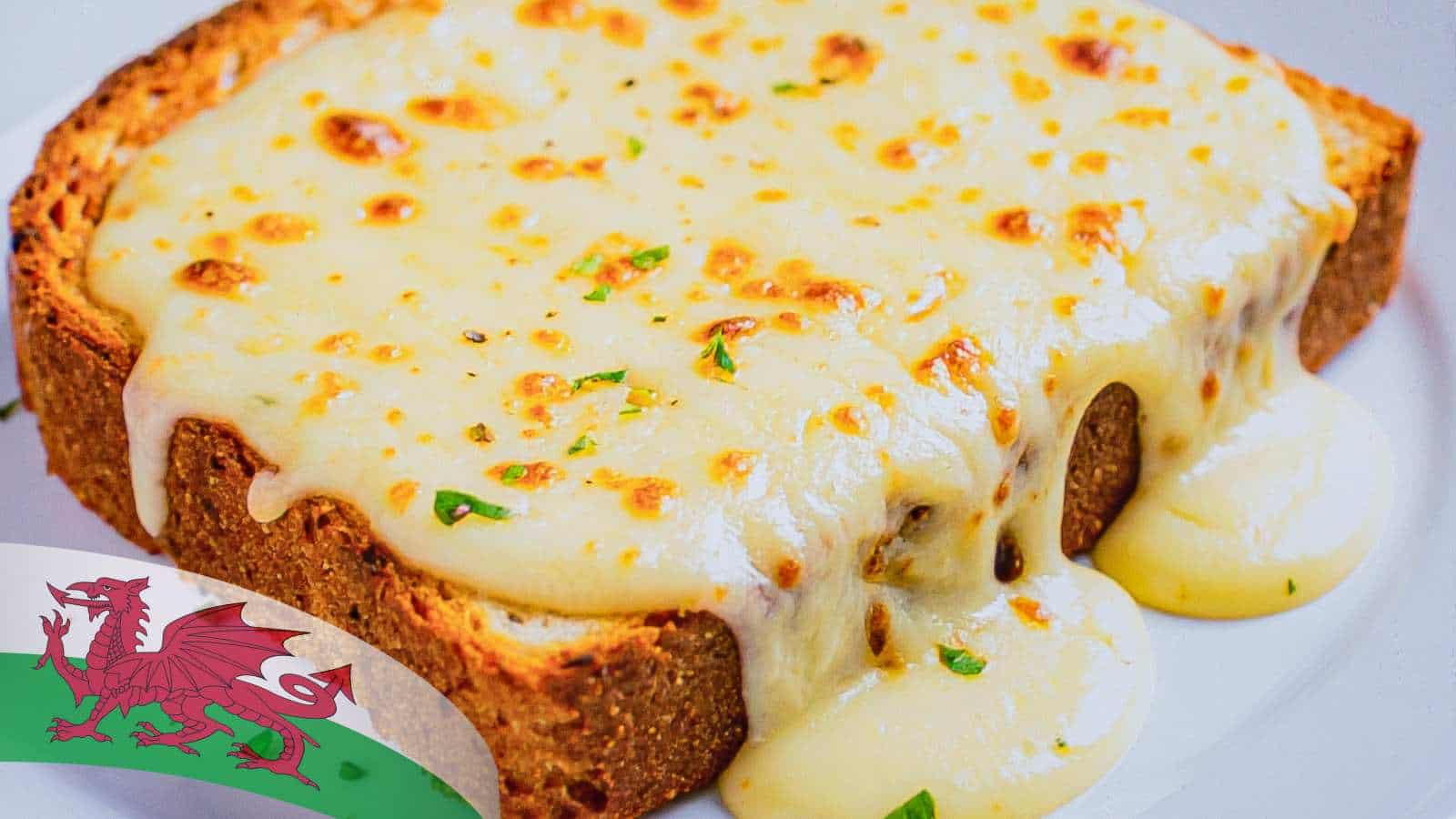
2. Welsh Rarebit – Molten Gold on Toast

Photo by Llio Angharad on Unsplash
What it is: Not a rabbit, but a molten, beer-laced marvel on thick toast. This is gloriously cheesy toast elevated to an art form: a beer-laced sauce of strong Cheddar, mustard, and Worcestershire, poured over thick bread and grilled until it bubbles like lava.
The story behind the name:
Once called “Welsh rabbit” as an 18th-century joke – a cheeky dig that poor Welsh folk had cheese instead of meat. The Welsh got the last laugh. This dish is sublime.
Make it properly:
Use a proper Welsh ale (Brains or Felinfoel if you can find it), sharp mature Cheddar, and don’t skimp on the English mustard. For extra silkiness, beat in an egg yolk at the end. Grill until the top blisters and chars slightly. Serve immediately with a pint and zero regrets.
3. Bara Brith – The Cake That Gets Better with Age
What it is: Rustic, humble, deceptively named. “Speckled bread” – Wales’ answer to Dundee cake. A moist fruit tea-loaf that’s sliced thick and slathered with proper butter. It’s the kind of thing your nain would produce from a tin whenever visitors appeared.
Old-school technique:
Soak mixed dried fruit in strong tea overnight (or use yesterday’s tea leaves if you’re feeling thrifty). The fruit plumps up like little flavour bombs. Mix with brown sugar, self-raising flour, mixed spice, and an egg.
The waiting game:
Here’s the secret: wrap it in parchment and leave it for two or three days. Bara brith becomes stickier, denser, and infinitely more delicious as it ages. Think of it as edible patience.
4. Tatws Pum Munud – Five-Minute Potatoes (That Take an Hour)
What it is: A rustic potato and bacon hotpot from Monmouthshire with a wonderfully cheeky name. “Five-minute potatoes” it may be called, but it simmers gently for a good hour while the flavours meld.
What goes in:
Potatoes, smoked bacon or ham hock, onion, leek, and stock. That’s it. The magic happens when you let the potatoes break down slightly into the broth, creating a creamy, soupy texture without any actual mashing.
Why it works:
It’s Welsh cooking at its most honest: a few good ingredients, low heat, and time. Perfect for a weeknight when you want something that cooks itself.
5. Lobscows – The Sailor’s Stew from the North Coast
What it is: Basically the same as Cawl, a thick, Scouse-like stew from Anglesey and the northern shores, brought by Irish and Liverpool sailors. Think hearty chunks of braising steak or scrag end of beef, potatoes, carrots, onions, sometimes with suet dumplings bobbing on top.
The Welsh twist:
Don’t confuse this with Liverpool’s scouse – the Welsh version is often richer. Some add marrowfat peas soaked overnight for extra body.
Serve it right:
With crusty bread and a bit of ceremony. This is proper working harbour food – the kind that stuck to your ribs before a shift or after hauling nets in freezing spray.
6. Laverbread (Bara Lawr) – Wales’ Ancient Superfood
What it is: Not bread. Not remotely. This is dark green purée made from boiled laver seaweed, harvested from the Gower and Pembrokeshire coasts. Traditionally fried with bacon and cockles for a proper Welsh breakfast.
Why it endures:
One of the few genuinely ancient Welsh foods still eaten daily. Rich in iodine and iron, sailors swore by it for strength. It tastes of the sea in the best possible way – mineral, earthy, deeply savoury.
How to love it:
Mix with fine oatmeal before frying into little patties. They crisp up beautifully and sit perfectly alongside bacon, eggs, and cockles. It’s an acquired taste for some, but once you acquire it, you’re hooked.
7. Welsh Cakes (Picau ar y Maen) – Warm from the Bakestone
Currant-studded discs of joy
What it is: Griddled sweet cakes studded with currants, cooked on a bakestone just like Victorian kitchens. They’re sold warm from market stalls in Cardiff and Swansea, dusted with caster sugar and utterly moreish.
The texture trick:
Half lard, half butter gives the authentic flaky-yet-tender crumb. Don’t roll them too thin – about 8mm is perfect. Cook them gently on a moderate griddle so the middles bake through before the outsides scorch.
Eat them right:
Warm, obviously. With a cup of tea and perhaps a thin scrape of butter if you’re feeling lavish. They’re best the day they’re made, though they keep well in a tin for dunking later.
8. Anglesey Eggs (Ŵyau Ynys Môn) – The Retro Bake That Never Left
What it is: A creamy, comforting assembly of mashed potato, leeks, hard-boiled eggs, and cheese sauce. It was created in the 1950s to stretch wartime rations, and it’s now a nostalgic classic that tastes like a Welsh school dinner (in the best way).
The cheese choice:
Use Caerphilly for a lighter, crumblier result with proper Welsh pride. Or go full-comfort with strong Cheddar. Either way, don’t hold back on the cheese sauce.
Serve it:
As a main with crusty bread and pickled beetroot, or as a side to cold ham. It’s the kind of meal that makes you want to put your slippers on and settle in.
9. Teisen Lap – The Miners’ Moist Cake
What it is: A suet-based traybake somewhere between cake and pudding, often studded with dried fruit or fresh apple. “Lap” means moist in Welsh, and this cake lives up to its name – it’s dense, sticky, and wonderfully thrifty.
Born in the Valleys:
This was miners’ cake from south Wales – no eggs needed, just self-raising flour, suet, milk, sugar, and whatever fruit was going. Some families steamed it in a tray over simmering water for an ultra-moist version.
Why you’ll love it:
It’s humble, unpretentious, and keeps brilliantly. Slice it thick and serve with a cup of builder’s tea. It tastes like hard work and Sunday afternoons.
10. Oggie – The Giant Hand-Held Pasty
What it is: The giant hand-held pasty of south Wales, similar to a Cornish Pasty. Filled with lamb, potato, swede, onion, and pepper.
The anthem:
The Oggie Song (“Oggie, oggie, oggie! Oi, oi, oi!”) is still chanted at Wales rugby matches. It’s as much a part of match day as the national anthem.
The crimping secret:
Crimp on top, not the side – that’s the traditional Welsh way. The pastry should be golden, flaky, and sturdy enough to survive being eaten standing up in the cold.
Soul-warming staples that feel like home
These dishes are edible postcards from Welsh childhoods: the smell of cawl bubbling after chapel on Sunday, Welsh cakes sizzling on the bakestone at the school fête, rarebit on bonfire night. They’re the food of farms and mining towns, fishing villages and market squares. In a world of fast food and fleeting trends, they remind us that the best comfort comes slow-cooked, shared, and served with stories.
These dishes remind us that comfort is slow-cooked, layered, and shared. The aroma of cawl after a long day, the sizzling rarebit on a winter evening, bara brith thickly buttered by the fire, these are Wales on a plate. In a world of fleeting flavours, they endure.
Next rainy afternoon, put the kettle on, slice some bara brith thickly, and let the taste of Wales warm your soul.
Pryd blasus iawn! (Very tasty meal!)