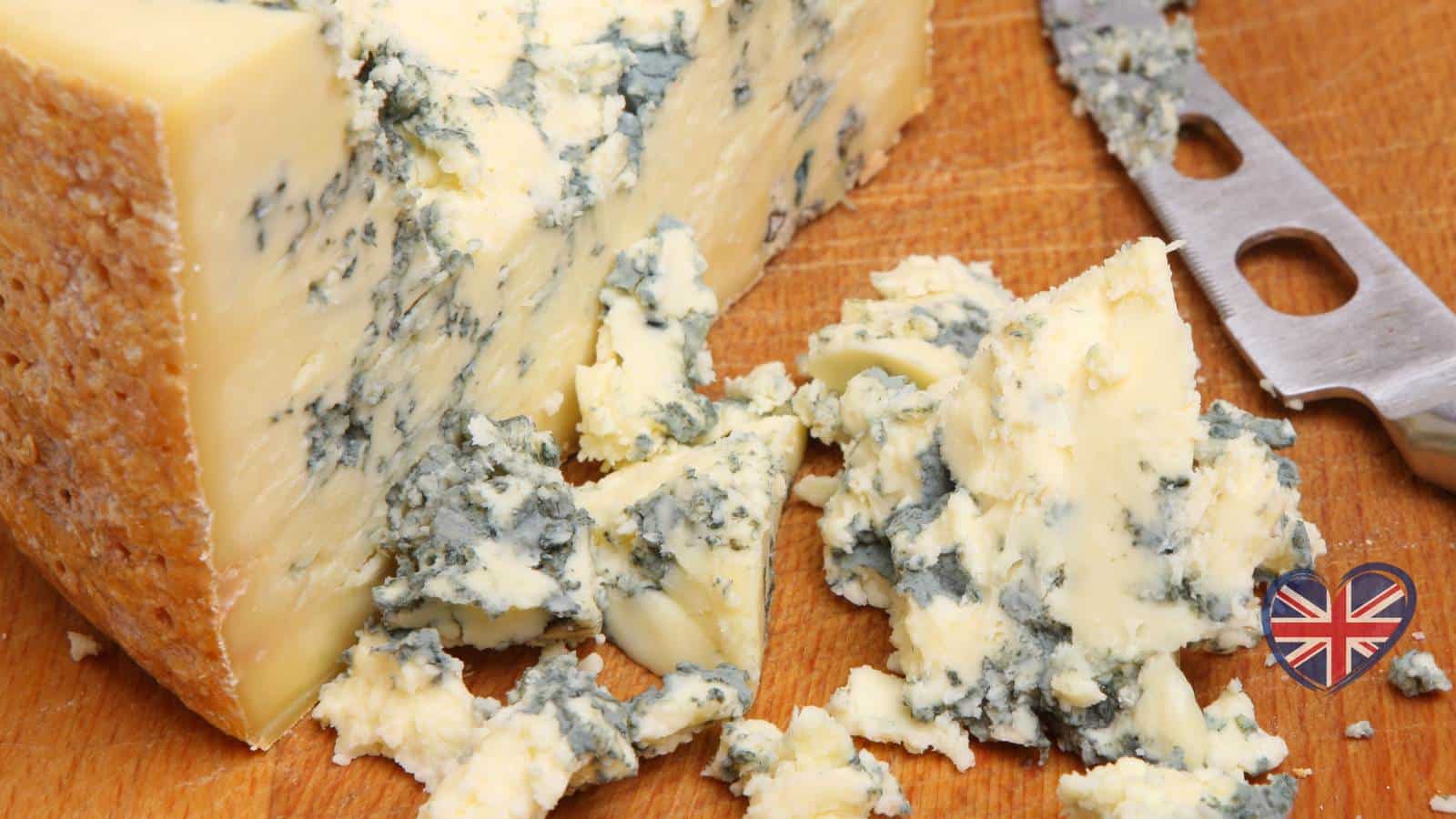
Stilton cheese, with its distinctive blue veins and crumbly texture, is a staple of British cuisine and a favourite on cheese boards worldwide. But here’s a surprising fact that might make you pause mid-bite: Stilton cheese isn’t actually made in the village of Stilton. It never has been!
The Origins of Stilton Cheese
The tale of Stilton begins not in the village whose name it borrows, but in the rolling pastures of Leicestershire. In the early 18th century, in the village of… well, not Stilton, actually.
While the exact origins are somewhat shrouded in mystery, it’s believed that the cheese was first produced in the Melton Mowbray area of Leicestershire.
Despite its name, Stilton cheese was never made in the village of Stilton. The village was a trading post where the cheese was sold, giving it its now-famous moniker.
The Stilton Village Connection
The village of Stilton, located about 80 miles north of London, played a crucial role not in the production, but in the trade of this cheese.
Situated on the Great North Road connecting London to York, was a popular coaching stop. Entrepreneur, Cooper Thornhill, who ran the Bell Inn in Stilton, began selling the cheese to travellers.
“That Cheese from Stilton”
The cheese quickly gained popularity and became associated with the village, despite not being produced there. Customers remembered two things: the satisfying bite of the cheese and the village where they bought it. In time, people spoke of that cheese from Stilton until the phrase became simply Stilton.
Real Stilton Production Areas
True Stilton can only be made in three counties: Derbyshire, Nottinghamshire, and Leicestershire. It’s like the cheese equivalent of champagne – if it’s not from these regions, it can’t bear the Stilton name.
This limitation is due to the cheese’s Protected Designation of Origin (PDO) status, which ensures that only cheese produced in these areas, following specific methods, can be called Stilton. This geographical restriction helps maintain the cheese’s quality and authenticity.
Then there’s the taste
Crumble a bit of Stilton on your tongue, and you’re in for a flavour journey. It starts tangy, then mellows into a rich, creamy experience, with a lingering nutty finish. The blue veins running through it aren’t just for show – they’re colonies of Penicillium roqueforti, the same mould family used in Roquefort cheese. These veins are the source of Stilton’s complex flavour profile.
There’s also a lesser-known variant: White Stilton. Made without the blue mould, it’s milder and often flavoured with fruits like cranberries or apricots. It’s the perfect gateway cheese for those intimidated by its bolder blue cousin.
The Legal Battle
In a perfectly British twist of irony, the village of Stilton itself is barred from producing the cheese that bears its name. In 2013, the village campaigned to be allowed to make Stilton cheese, arguing for historical justice. However, their efforts were unsuccessful due to the strict PDO regulations.
The village lies just outside the designated production area in Cambridgeshire, rendering it ineligible to produce official Stilton cheese.
Other Famous Misnamed Foods
Stilton isn’t alone in this naming conundrum. Other famous examples include Jerusalem artichokes (neither from Jerusalem nor artichokes) and Swiss cheese (a generic term for several types of cheese, many not from Switzerland). However, Stilton’s case is unique due to the legal restrictions preventing production in its namesake village.
Serving Stilton
Stilton deserves more than a token place on a Christmas cheeseboard. Crumble it into a winter soup for instant depth. Melt it over steak to turn simplicity into splendour. Pair it with pears for a sweet-sharp harmony or drizzle it with honey for contrast that sings.
A little Stilton goes a long way.
Enjoy the King of Cheese
The story of Stilton cheese serves as a fascinating example of how food history, trade routes, and modern regulations can create unexpected situations. While it may seem strange that Stilton cheese isn’t made in Stilton, this quirk of history adds to the rich tapestry of the cheese’s heritage.
Next time you enjoy a piece of Stilton, remember that you’re not just tasting a cheese, but savouring a piece of British history, one that comes with its own unique geographical puzzle. It’s a reminder that behind every food product, there might be an intriguing story waiting to be discovered.
While Stilton village may not produce Stilton cheese, it has certainly left an indelible mark on the world of gastronomy, forever linked to one of Britain’s most beloved cheeses.
So next time you’re at the cheese counter, don’t pass by the Stilton. Pick up a wedge of this royal blue cheese and taste a piece of English history. Just remember – with great cheese comes great responsibility. Stilton’s flavour is powerful, so a little goes a long way!
Where can you buy Stilton Cheese
Only six dairies are allowed to call their blue cheese Stilton, they are:
Colston Bassett Dairy (www.colstonbassettdairy.co.uk)
Cropwell Bishop (buy online at www.cropwellbishopstilton.com or from Marks & Spencer)
Hartington Creamery (www.hartingtoncreamery.co.uk)
Long Clawson Dairy (www.clawson.co.uk; available in Waitrose)
Tuxford & Tebbutt (www.arlacheese.co.uk; available in Sainsbury’s)
Websters (available from www.stamfordcheese.com)
Buy Stilton Cheese
If you love the delicious hard, crumbly creamy complex flavours of Stilton cheese, buy it directly from the producers website or check for stockists.