Discovering Wild Garlic: The Versatile and Delicious Plant that Covers UK Woodlands.
Every spring, woodlands across the UK burst into life with the unmistakable scent of wild garlic. Covering forest floors with lush green leaves and clusters of delicate white flowers, this native plant is one of Britain’s most treasured seasonal ingredients.
Known scientifically as Allium ursinum, wild garlic has become increasingly popular with home cooks, chefs, gardeners, and foraging enthusiasts thanks to its fresh flavour, nutritional value, and versatility in the kitchen.
In this guide, discover how to identify wild garlic, where it grows in the UK, the benefits of foraging it responsibly, and the best ways to cook with this fragrant wild herb.
What Is Wild Garlic?
Wild garlic is a perennial woodland plant belonging to the onion family. It grows naturally throughout much of the UK and is especially common in ancient woodlands, damp hedgerows, and shaded riverbanks.
You may also hear it called:
- Ramsons
- Bear garlic
- Wood garlic
- Bear leek
- Buckrams
- Broad-leaved garlic
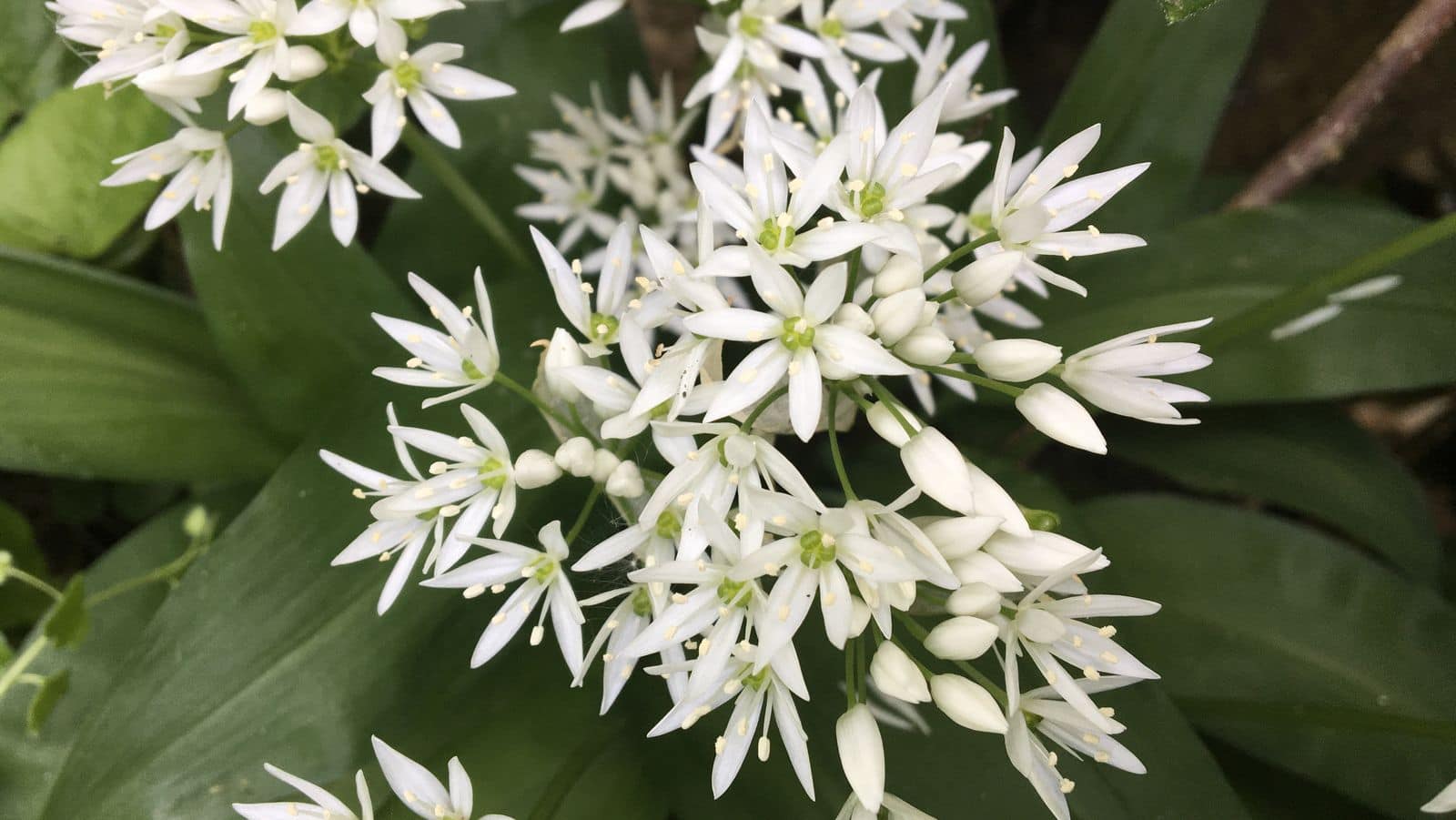
The plant appears in early spring, usually from February onwards, before flowering between April and June. At its peak, entire woodland floors can become covered in white blooms and glossy green leaves.
How to Identify Wild Garlic
Wild garlic is considered one of the easier edible plants to identify, mainly because of its strong garlic aroma.
Key Identification Features
Look for:
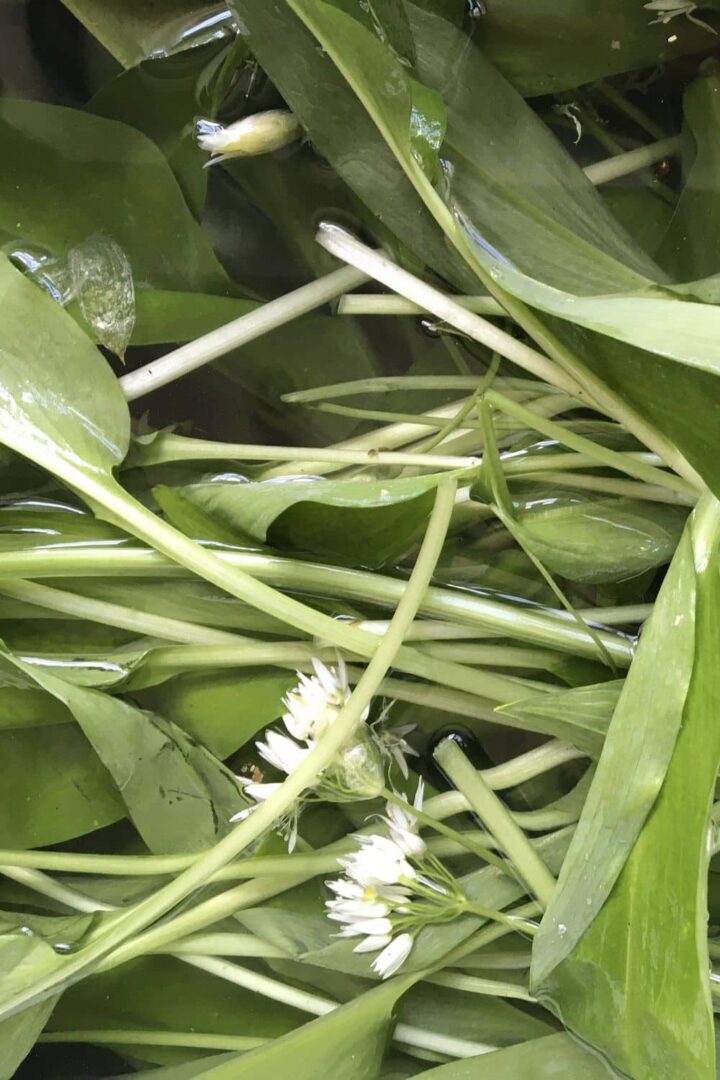
- Long, smooth, spear-shaped green leaves
- Bright white star-like flowers grouped in clusters
- Moist, shady woodland environments
- A distinct garlic smell when leaves are crushed
The scent is the most reliable indicator. If the leaf does not smell strongly of garlic, do not eat it.
Dangerous Lookalikes to Avoid
Although wild garlic is relatively easy to recognise, several toxic plants can look similar before flowering. These include:
- Lily of the valley
- Lords-and-ladies
- Meadow saffron
- Autumn crocus
These plants are poisonous and should never be consumed.
A common rule among experienced foragers is to check every leaf individually rather than relying on smell alone, as garlic scent can transfer onto your hands during harvesting.
If you are ever unsure about identification, avoid picking or eating the plant.
Where Does Wild Garlic Grow in the UK?
One of the best things about wild garlic is how easy it is to find. Wild garlic thrives in cool, damp conditions and is widespread across England, Wales, Scotland, and Northern Ireland. It’s particularly common in woodlands, but can also be found in many other places such as hedgerows, streamsides, and fields.
You are most likely to spot it in:
- Ancient woodlands
- Deciduous forests
- Stream edges
- Shaded country paths
- Moist hedgerows
- Chalky woodland soils
The plant often grows in large colonies, creating impressive carpets of green and white during springtime.
Keep an eye out for the telltale white flowers and pungent aroma, and you’ll know that you’ve found a treasure trove of culinary delights waiting to be harvested. The leaves, flowers, and bulbs of wild garlic are all edible, and the plant is rich in Vitamin C, Vitamin B6, and Manganese.
Best Time to Pick Wild Garlic
The prime wild garlic season runs from February to May, although flowers can remain visible into June depending on weather conditions.
- Young leaves are best picked in early spring
- Flowers are ideal during April and May
- Bulbs can be harvested later in the season, although many foragers leave them untouched to protect future growth
Tender spring leaves usually offer the best flavour and texture.
Responsible Wild Garlic Foraging Tips
Foraging responsibly helps protect local ecosystems and ensures wild garlic continues to flourish year after year.
Sustainable Harvesting Guidelines
- Pick only what you need
- Take a few leaves from each patch rather than stripping entire plants
- Avoid uprooting bulbs
- Stay away from protected conservation areas
- Wash all foraged plants thoroughly before eating
Wild garlic plays an important role in woodland biodiversity and provides nectar for bees, hoverflies, and other pollinators early in the season.
Health Benefits of Wild Garlic
Wild garlic is not only flavourful but also packed with nutrients.
It contains:
- Vitamin C
- Vitamin B6
- Manganese
- Sulphur compounds associated with garlic plants
- Natural antioxidants
If you want to take advantage of wild garlic’s nutritional benefits, you can start by adding it to your salads and sandwiches. Wild garlic leaves are a great source of vitamin C, vitamin B6, and manganese. The combination of wild garlic leaves, fresh tomatoes, and mozzarella cheese, drizzled with olive oil and a dash of balsamic vinegar makes for a delicious and healthy summer salad.
Historically, wild garlic has been used in traditional herbal remedies and seasonal detox recipes, although it should not replace professional medical advice.
Culinary uses: Tasting the Wild: Unlocking the Flavor Potential of Wild Garlic
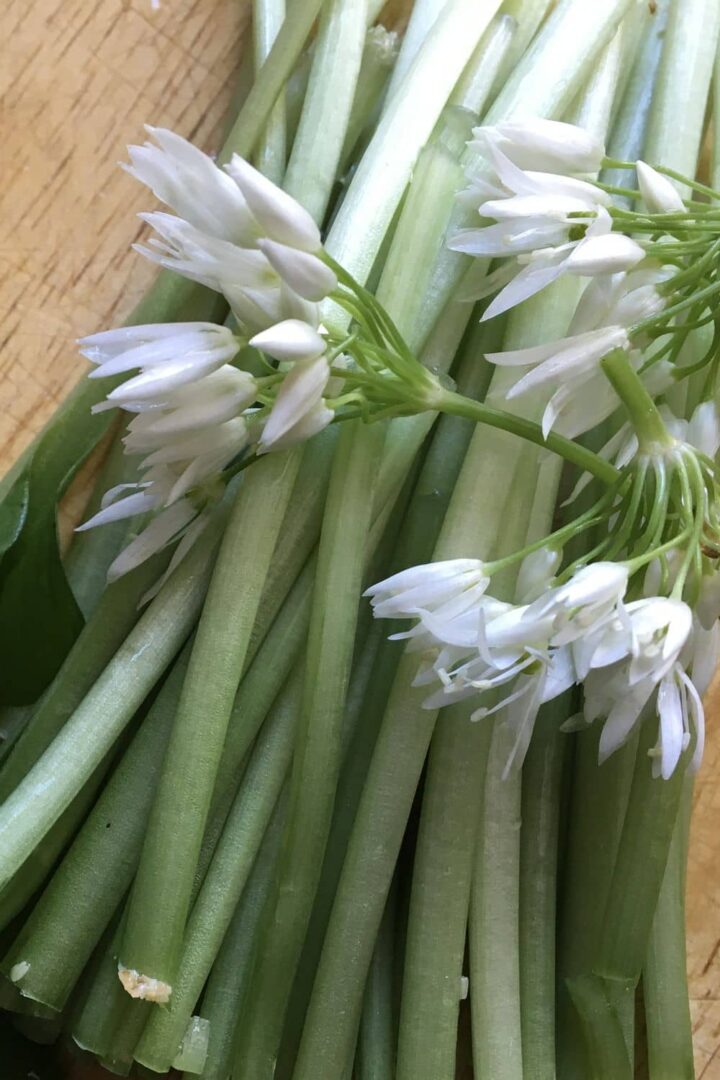
When it comes to cooking with wild garlic, the possibilities are endless. The unique and intense flavour of wild garlic is perfect for livening up any dish. Its pungent garlic flavour adds depth and complexity to pasta, risottos, soups and sandwiches. Wild garlic pesto is a delicious and easy recipe to start with. The combination of the pungent wild garlic, the nuttiness of the toasted pine nuts and the sharpness of the Parmesan cheese is a winner.
Cooking With Wild Garlic
Wild garlic offers a fresher and slightly milder flavour than cultivated garlic, making it incredibly versatile in cooking.
The leaves can be eaten raw or lightly cooked and pair beautifully with creamy, rich, or savoury dishes.
Popular Wild Garlic Recipe Ideas
Wild Garlic Pesto
One of the most popular recipes involves blending wild garlic leaves with olive oil, Parmesan cheese, lemon juice, and nuts to create a vibrant green pesto perfect for pasta, sandwiches, or roasted vegetables.
Wild Garlic Risotto
Adding chopped wild garlic to a creamy risotto creates a rich and comforting spring dish. It pairs particularly well with mushrooms, bacon, or asparagus.
Wild Garlic Butter
Mix finely chopped leaves into softened butter with sea salt and black pepper for a simple flavoured butter ideal for bread, potatoes, steak, or grilled vegetables.
Soups and Sauces
Wild garlic can transform soups, creamy sauces, and mashed potatoes with its fresh seasonal flavour.
Salads and Sandwiches
Young leaves work brilliantly raw in salads, wraps, and sandwiches, adding a gentle garlic kick without overpowering other ingredients.
Can You Grow Wild Garlic at Home?
Yes. Wild garlic is surprisingly easy to grow in shady gardens with moist soil.
It thrives in:
- Woodland-style gardens
- Damp borders
- Under trees and shrubs
- Partially shaded areas
Once established, it can spread naturally and return every spring with minimal maintenance.
Perfect Ingredient for Seasonal Eating
From ancient woodlands to country hedgerows, this fragrant herb offers an accessible introduction to foraging and a delicious way to celebrate spring produce.
Whether you are making homemade pesto, adding flavour to a risotto, or simply enjoying a woodland walk surrounded by its unmistakable scent, wild garlic is a plant that perfectly connects nature, food, and the changing seasons in the UK countryside.